WindEurope: Floating wind power can play a key role for Europe’s climate targets
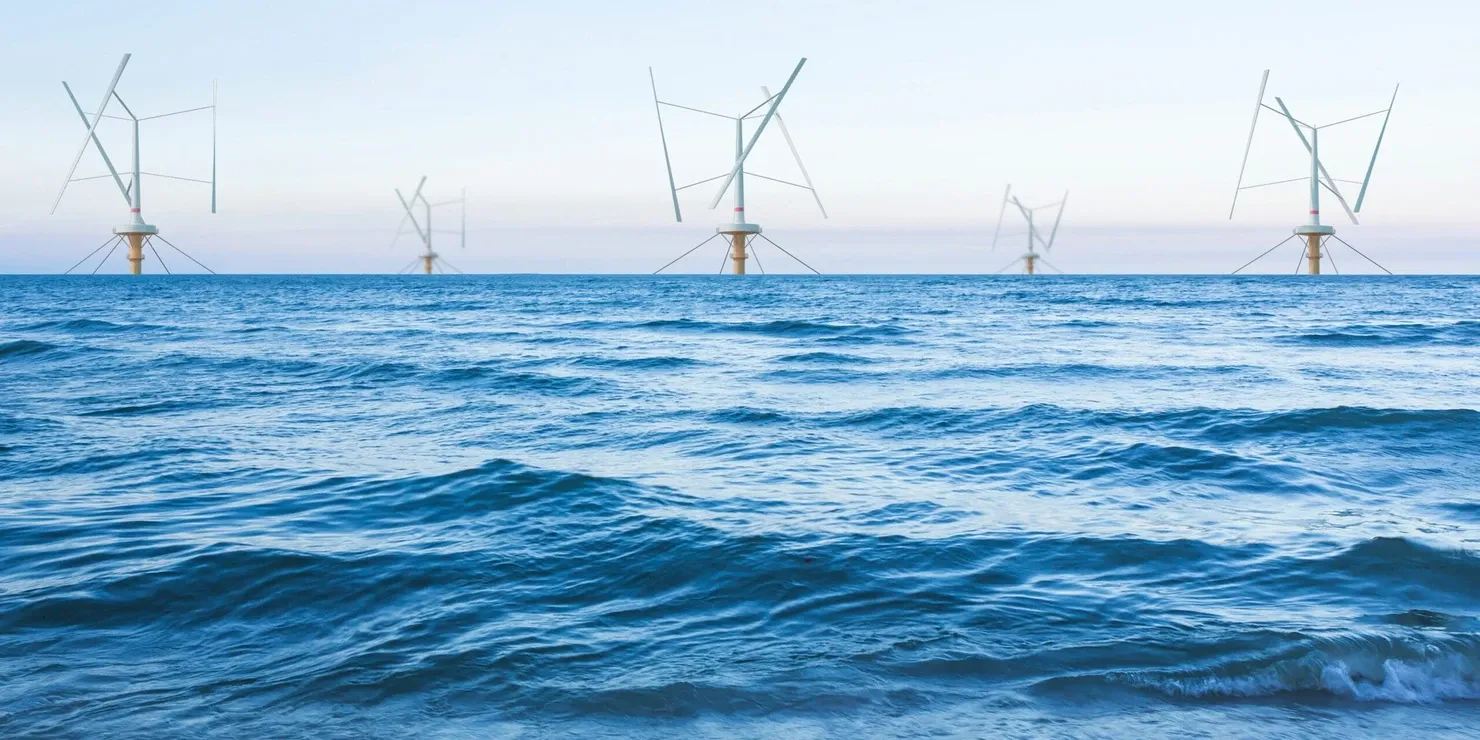
80 percent of the available wind resources in Europe are in waters deeper than 60 meters. With floating wind power those resources can be tapped, and the technology can thus play a key role in helping EU reach its 2030 climate goals.
EU’s leadership role in offshore wind power can only be defended if it is expanded to also include floating offshore wind power. And since there are no floating projects in the pipeline between 2021–2025, there is a window of opportunity for early movers to take a leading role, said Giles Dickson, head of the industry association WindEurope at FOWT, which this year took place in Marseille.EU’s leadership role in offshore wind power can only be defended if it is expanded to also include floating offshore wind power. And since there are no floating projects in the pipeline between 2021–2025, there is a window of opportunity for early movers to take a leading role, said Giles Dickson, head of the industry association WindEurope at FOWT, which this year took place in Marseille. The EU must install 6 GW of offshore wind capacity per year between 2021–2030 to maintain current cost reduction trends, to generate activity throughout the broader supply chain and to maintain technological leadership, according to Dickson. To secure this EU member states should include floating offshore wind in their national energy climate action plan and run floating-specific auctions. We are yet again convinced that the market for floating wind power is going to be very big. SeaTwirl has great potential to capture large market shares in the future with its cost-effective technology. The future is bright.