NOK 4 billion for floating offshore wind in Norway
Two floating offshore wind projects are to receive a total of NOK 3.94 billion from state-owned Enova, Norway’s counterpart to the Swedish Energy Agency. The companies behind them plan to build and test four floating wind turbines of 18.5 MW each off the island of Karmøy in south-western Norway. SeaTwirl’s CEO, Johan Sandberg, calls the announcement long-awaited and says it could give the industry a boost.
On 30 October, the Norwegian state enterprise Enova awarded two floating offshore wind projects a total of NOK 3.94 billion. This is almost as much as Enova granted to floating offshore wind over the entire period 2007–2024, when 18 projects shared NOK 4.5 billion. The money is to go towards testing new technology in some of the areas where, according to Enova, costs must fall for floating offshore wind to become profitable.
Two companies share the funding
Deep Wind Offshore’s project company, Fortius Offshore Wind, will receive NOK 2 billion and Fram Wind Solutions NOK 1.94 billion, according to Enova’s press release. In total, the funding is equivalent to around SEK 4.2 billion. Both companies are winners in Enova’s competition for funding for floating offshore wind.
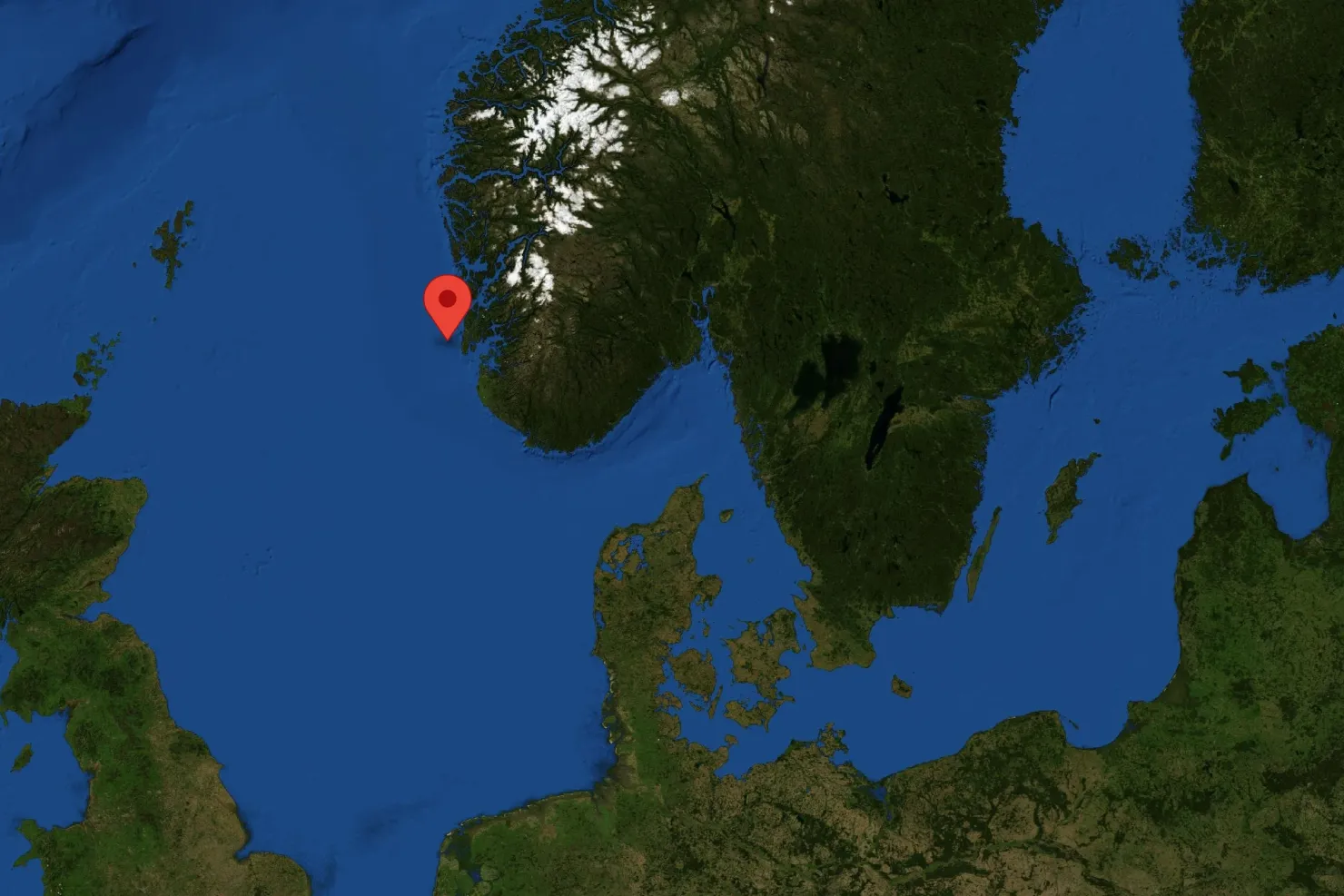
Over the next five years, each project plans to install two floating wind turbines of 18.5 MW each at METCentre, a test centre for floating offshore wind off Karmøy in Rogaland. SeaTwirl is not participating in either of them.
SeaTwirl’s CEO: a long-awaited announcement
Johan Sandberg, SeaTwirl’s CEO, who has worked in floating offshore wind since 2008, considers this a much-awaited announcement.
‘The award was originally due to be announced in May, but for various reasons it has been delayed,’ says Johan. ‘Many in the industry were worried that the award would be put on ice, and now Enova has even named two winners. The announcement will give a boost to the industry, which has struggled to secure the decisions and the money required to take the next step.’
New technology to drive down costs
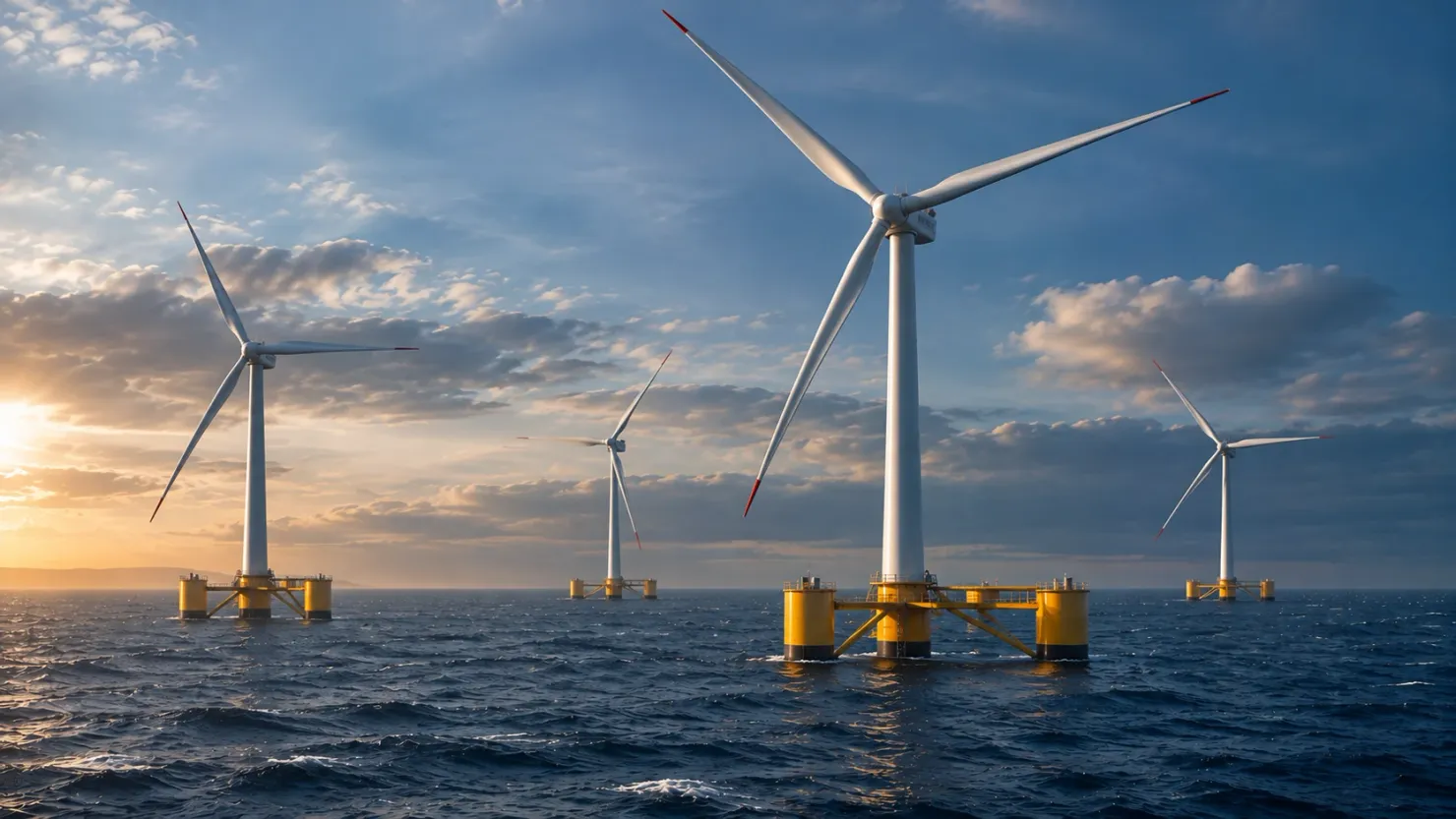
A floating wind turbine is normally a conventional offshore wind turbine mounted on a floating foundation. This means it can stand in deeper water than a turbine with a foundation on the seabed. The two winning companies are now to test and demonstrate new technology for floating foundations for large turbines, how they are anchored to the seabed, and how the installation is built and operated.
The largest floating demonstration turbines in Europe to date have been up to 10 MW. At 18.5 MW, the turbines at METCentre will be nearly twice as large.
According to Enova, projects such as these are important for demonstrating the technology and reducing risk and costs ahead of the large-scale developments, such as Utsira Nord, a large Norwegian field of 500 MW. The aim of Enova’s investment in offshore wind is to bring costs down to a level where no subsidies are needed, before 2035.
‘It’s very exciting that two projects are now getting the chance to test foundations and mooring for such large turbines,’ says Johan. ‘The foundation is one of the largest costs in floating offshore wind, and what the projects learn about how floating turbines are built, moored and operated will benefit the entire industry. I very much look forward to following them.’
A quarter of the world’s floating offshore wind
According to the industry body GWEC, at the end of 2025 there was a total of 278 MW of floating offshore wind worldwide, of which 101 MW was in Norway. Together, the four turbines will total 74 MW, just over a quarter of the world’s and nearly three quarters of Norway’s floating offshore wind at the turn of the year.
In terms of capacity, they will be equivalent to around 20 average onshore wind turbines, according to Enova. They are to generate 300 million kilowatt-hours a year, as much electricity as around 15,000 Norwegian households use.
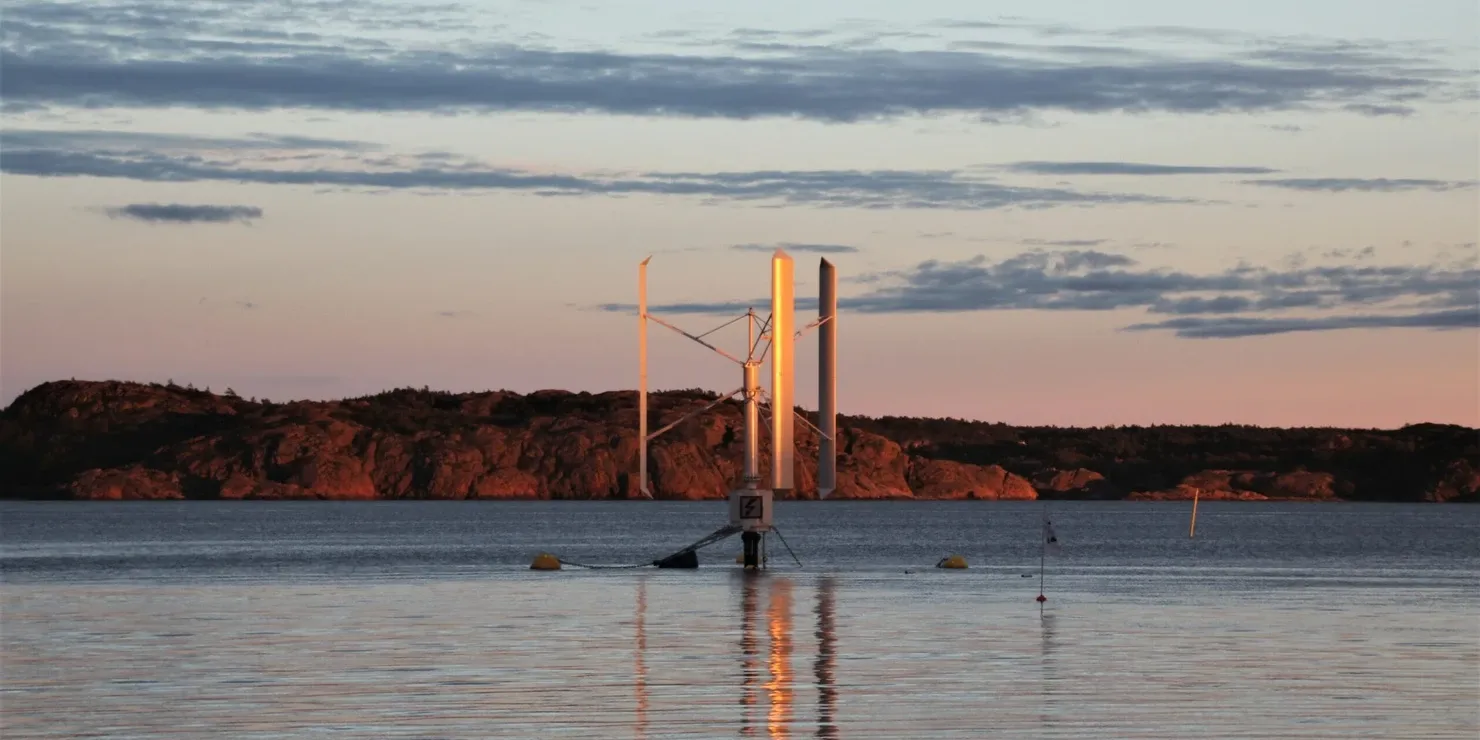
‘Turbines of 18.5 MW are to offshore wind what jumbo jets are to aviation,’ says Johan. ‘But just as aviation needs smaller aircraft for airports where jumbo jets cannot land, offshore wind needs smaller turbines for platforms far out at sea, remote islands and coastal facilities that currently often run on diesel. That is where our market lies.’
Ready for operation within five years
On 20 January 2026, the Norwegian Ministry of Energy amended the conditions for METCentre. Previously, each turbine there was only permitted to operate for five consecutive years. Now, the turbines may remain in place for as long as the test centre’s licence is valid, until December 2048. This is in line with Enova’s requirement that turbines receiving support must be in operation for their entire lifespan.
Enova also requires that the turbines be able to operate within five years of the decision, according to the programme’s FAQs. In the meantime, the funding is paid out gradually, in line with the projects’ costs during construction.
The five-year limit has been applied before. GoliatVIND, a floating offshore wind project off Hammerfest, was awarded NOK 2 billion in an earlier round of the competition, in 2024, but lost the funding in March 2026, when, according to Teknisk Ukeblad, the project could not be completed on time.
About Deep Wind Offshore
Deep Wind Offshore is a Norwegian developer of offshore wind projects based in Haugesund, registered in 2020. The CEO and co-founder is Knut Vassbotn. The company is owned by the Knutsen Group, the British company Octopus Energy, and the municipally owned power companies Haugaland Kraft and Sunnhordland Kraftlag. Deep Wind Offshore states that the Fortius project is to be built together with international industrial and financial partners, whom the company has not named.
Together with the French company EDF power solutions, Deep Wind Offshore has been awarded one of two project areas at Utsira Nord. The other consortium awarded an area consists of Equinor and Vårgrønn. If the timetable holds, one of the two consortia will be awarded state support to develop and build the field. The Norwegian state has set aside NOK 36 billion in state support for the project.
Knut Vassbotn wrote on LinkedIn on the morning the decision was announced: ‘Floating offshore wind will only become a relevant power solution if costs come down. That happens through learning, industrialisation and scale. Fortius gives the industry learning, and Utsira Nord can give scale.’
About Fram Wind Solutions
Fram Wind Solutions is also a Norwegian company, established in 2021. The CEO is Kjetil Bruun-Olsen. The company is 50 per cent owned by BW Offshore, a listed company with floating production facilities for oil and gas. Grieg Kapital, the investment company of the family-owned Grieg Group in Bergen, owns 35 per cent, and Fram Green Technology 15 per cent. According to BW Offshore, Fram Wind Solutions was established as a jointly owned company to develop opportunities to electrify oil and gas installations with floating offshore wind on the Norwegian continental shelf.
Fram Wind Solutions previously planned, together with the oil company OKEA, a floating wind turbine that would supply electricity to the Brage oil field. That project was discontinued in 2025. As of 30 October, Fram Wind Solutions had not commented on Enova’s decision.
A major step forward for floating offshore wind
With a single decision, Enova is giving almost as much to floating offshore wind as during the entire period 2007–2024. The money is to bring four floating turbines, nearly twice as large as the largest in Europe to date, into operation within five years. What the companies learn about foundations, mooring, construction and operation is meant to reduce risk and costs ahead of the large-scale developments, and Enova’s aim is to bring the costs of offshore wind down to a level where no subsidies are needed before 2035.
‘This is a big day for floating offshore wind,’ says Johan. ‘With this decision, Norway and Enova are showing that they truly believe in and are investing in the technology, and that means a great deal to all of us working in floating offshore wind. I would like to congratulate Deep Wind Offshore, Fram Wind Solutions and METCentre, and I look forward to seeing the turbines in the sea off Karmøy.’
While the largest turbines grow, there are many offshore locations without a power grid, which currently get their electricity from diesel or gas turbines. SeaTwirl is developing smaller floating wind turbines for them. If you would like to know more about them, you are welcome to contact SeaTwirl.